
Sector Report
The Grid Bottleneck Nobody Is Modeling Correctly
Feb 25, 2026 · 19 min read · Winvestor Analyst Team
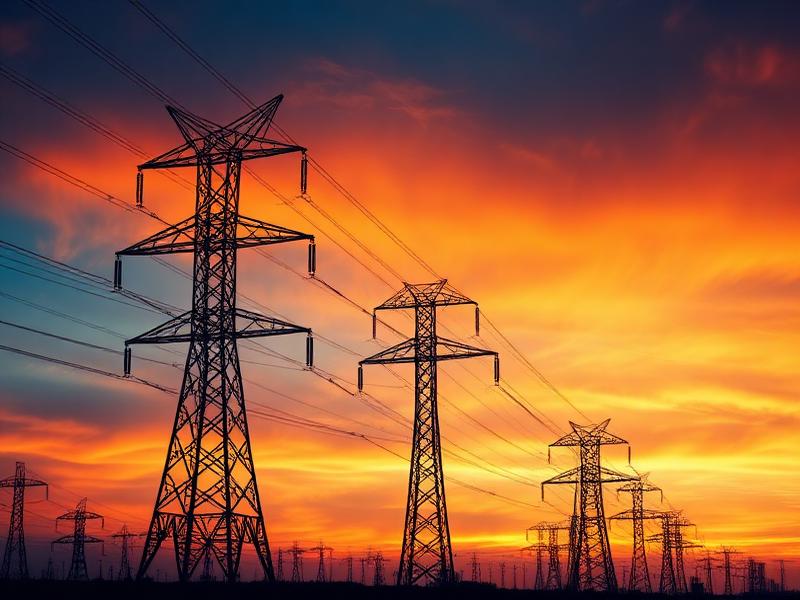
Every electrification thesis — EVs, data centers, reshoring, heat pumps — depends on transmission capacity that takes 7-10 years to build. The companies that can shorten that timeline are the most underappreciated story in the energy transition.
Demand has finally outrun the grid
U.S. electricity demand grew 0.4% annually from 2005 to 2020. It is now growing 2.5-3% annually and accelerating. Utility load forecasts are being revised upward every quarter. PJM and ERCOT interconnection queues now exceed 500 GW combined.
Where the bottleneck actually is
The constraint is not generation — it is large-power transformers, high-voltage transmission, and skilled construction labor. Lead times for large transformers have stretched from 18 months pre-pandemic to 36-48 months today. Pricing has nearly tripled. These dynamics flow directly to the income statements of the handful of OEMs with the capability and capacity.
The labor constraint is structural
Skilled line workers, substation electricians, and high-voltage construction crews are in critically short supply. Apprenticeship pipelines were cut in the 2010s when load growth was flat. Rebuilding the workforce will take a decade. In the meantime, EPC contractors with retained skilled labor enjoy unusual pricing power and the ability to selectively choose the highest-margin projects in their backlog.
Regulated utilities as the unsung beneficiaries
The boring regulated utility model — earn an allowed return on rate base — becomes exciting when rate base is growing at high single digits. Utilities in constructive jurisdictions (Texas, Florida, parts of the Southeast) can compound rate base 8-10% annually over the next decade while delivering predictable EPS growth. At today's multiples and dividend yields, the implied IRR for several of these names is in the low double digits with bond-like volatility.
Investable companies
We focus on three layers: (1) transformer and switchgear OEMs with multi-year backlogs and pricing power, (2) transmission EPCs with scarce skilled labor, and (3) regulated utilities with constructive regulatory regimes that allow them to earn on the capex they are about to deploy. Members can find specific names and sizing in the linked note.
The data center concentration risk
Roughly 70% of incremental U.S. power demand over the next five years is concentrated in a handful of data center clusters — northern Virginia, central Texas, Phoenix, and Atlanta. This concentration creates localized grid stress and exposes investors in the affected utilities to disproportionate growth — but also to regulatory pushback if rates rise sharply to fund the buildout. We monitor regulatory developments in each of these jurisdictions closely.
Risks
Permitting reform that meaningfully accelerates transmission would compress the supply-demand imbalance — but the political path remains uncertain. A demand surprise to the downside (slower AI, slower EV adoption) would soften the trade but not break it.